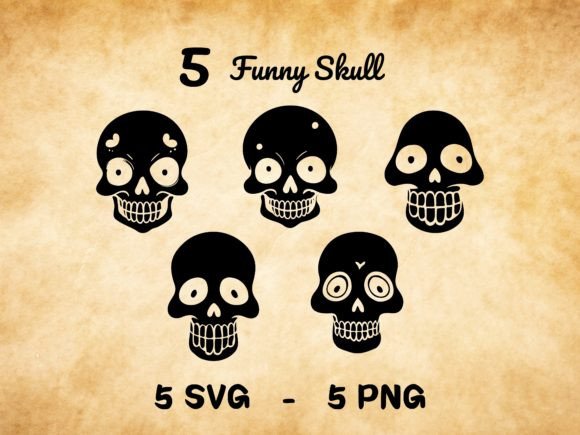
Funny Skull SVG for Halloween Decor Graphics and Crafts
In the world of digital publishing, visual hierarchy is not just an aesthetic choice; it is a functional necessity. As a blog designer who has spent years optimizing content for readability, click-through rates, and brand trust, I approach every new graphic design asset with a critical eye. We are looking for more than just "pretty pictures." We need assets that support editorial quality, enhance user experience, and drive engagement without compromising site performance or professional credibility. Recently, I evaluated a specific set of Funny Skull SVG for Halloween Decor designs to determine its viability for real-world content publishing projects. This review breaks down how this playful asset fits into the workflows of bloggers, affiliate marketers, newsletter creators, and creative entrepreneurs.
First Impressions: Mood and Editorial Fit
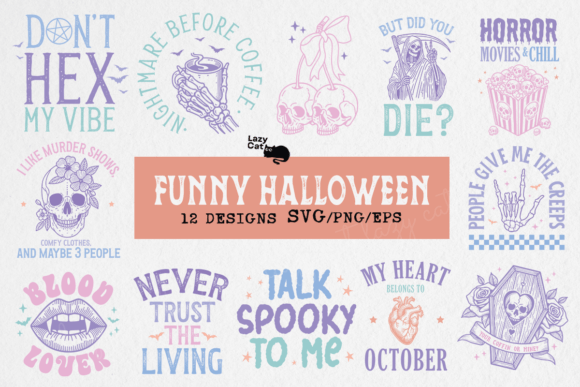
The immediate impression of these five skull designs is one of intentional quirkiness. The product description highlights a desire to "bring humor" and add a "quirky, light-hearted touch," which signals a departure from traditional, spooky, or horror-centric Halloween aesthetics. For a publisher, this distinction is vital. It suggests a lifestyle-focused, modern, and clean visual style rather than a dark or aggressive one. This makes the asset highly suitable for niches such as home decor, family-friendly crafts, parenting blogs, and lighthearted seasonal content.
From an editorial perspective, the mood created by these graphics is approachable. When a reader lands on a page featuring these skulls, the tone is established instantly as fun and engaging. This can lower the barrier to entry for readers who might otherwise skip serious or dry content. However, it also means the asset should be used carefully in serious professional niches or corporate environments where a minimal visual system is required. The playful nature of the skull icons works best when paired with bright, contrasting colors and bold typography, creating a strong visual identity that stands out in crowded social media feeds.
Integrating Design Assets into Real Publishing Workflows
One of the primary challenges for small business owners and content creators is maintaining consistency across multiple platforms. A well-designed graphic design asset like this Funny Skull SVG collection can streamline your content marketing efforts significantly. Because these are vector files (SVG), they offer scalability that raster images cannot match, ensuring your brand identity remains sharp whether viewed on a desktop monitor or a mobile phone screen.
Here is how this asset integrates into a typical publishing workflow:
- Blog Featured Images and Headers: Use the skulls as accent elements in hero images for seasonal posts. They can break up text-heavy layouts and provide a visual anchor that guides the reader’s eye toward the headline.
- Pinterest Pins and Social Media Graphics: Pinterest is a visual search engine, and click-through potential relies heavily on first impressions. These playful skulls are perfect for creating eye-catching pins that promise a fun, easy-to-read guide. They work exceptionally well for "DIY Halloween Decor" or "Funny Holiday Quotes" boards.
- Newsletter Banners and Email Marketing: In an inbox full of serious offers, a touch of humor can increase open rates. Using these designs in email headers adds personality to your direct communication channel, helping to build a stronger connection with your audience.
- Digital Guides and Lead Magnets: If you are creating downloadable resources, worksheets, or eBooks, these graphics can serve as chapter dividers or cover accents. They transform a standard PDF into a branded digital product that feels curated and valuable.
- Category Thumbnails: On a content-rich website, category pages need clear visual cues. Using these skulls for a "Seasonal Crafts" or "Halloween Fun" category helps with category recognition and improves navigation.
Supporting Content Performance and Reader Trust
Visuals do more than decorate; they communicate. When you use high-quality design assets, you signal to your readers that you care about the presentation of your information. This directly impacts reader trust. A polished look suggests professionalism, even if the topic is lighthearted. By incorporating these Funny Skull SVG designs, you establish a consistent branding strategy that reinforces your niche authority.
Furthermore, these assets support better visual hierarchy. In web design, guiding the user’s eye is crucial. Placing a playful skull icon next to a call-to-action button or a key statistic can draw attention without being overwhelming. This subtle nudge can improve click-through rates for affiliate links or subscription forms. It creates a stronger visual identity that differentiates your content from competitors who may be using generic stock photography.
Where the Asset Works Best
To maximize the impact of these graphics, consider deploying them in high-visibility areas:
- Hero Images: Large-scale displays on landing pages.
- Article Thumbnails: Grid views on your homepage or blog roll.
- Pinterest Pins: Vertical graphics optimized for mobile scrolling.
- Editorial Accents: Small decorative elements within long-form articles.
- Content Upgrades: Exclusive downloadable checklists or planners.
- Newsletter Headers: Top-of-email branding elements.
- Social Media Previews: Facebook and Instagram post visuals.
Areas Requiring Careful Consideration
While versatile, no single asset fits every context. There are scenarios where these playful skulls might detract from your message:
- Small Mobile Thumbnails: At very small sizes, intricate details in SVGs can become muddy. Always test how the design looks when scaled down to 100x100 pixels.
- Text-Heavy Blog Images: Avoid placing complex graphics behind dense blocks of text, as this reduces readability.
- Low-Contrast Backgrounds: Ensure the skull designs pop against your background color. Dark skulls on dark backgrounds will disappear, hurting accessibility.
- Busy Layouts: If your website already has many competing visual elements, adding more can create clutter. Use these assets sparingly to let them shine.
- Serious Professional Niches: For legal, medical, or financial advice sites, the playful tone may undermine authority. Reserve these for lifestyle or entertainment sections.
Practical Publisher Notes for Implementation
Before integrating these design assets into your commercial design projects, there are several technical and strategic steps to take. First, always test the asset on both desktop and mobile screens. What looks balanced on a wide monitor may feel cramped on a smartphone. Check how it interacts with different font styles; try placing the skull beside serif fonts for a classic look, sans serif fonts for modern clarity, or script fonts for a whimsical touch.
Performance is another critical factor. While SVGs are generally lightweight, ensure you are compressing any accompanying raster images properly to maintain fast page load times. Slow websites hurt SEO and user experience. Additionally, review the file size to ensure it does not bloat your server resources.
Finally, and perhaps most importantly, confirm your commercial license. If you are using these graphics on monetized websites, affiliate pages, or paid content products, you must have the right to use them commercially. Many creative marketplaces offer different tiers of licensing. Ensure you are protected before you publish. Also, consider testing the design in black and white to check its structural integrity; if it loses meaning without color, it may lack the robustness needed for diverse design applications.
By treating graphic design assets as strategic tools rather than mere decorations, you elevate your content from simple information to a polished, trustworthy brand experience. The Funny Skull SVG for Halloween Decor collection offers a fun, effective way to inject personality into your seasonal content, provided it is used with intention and technical precision.